
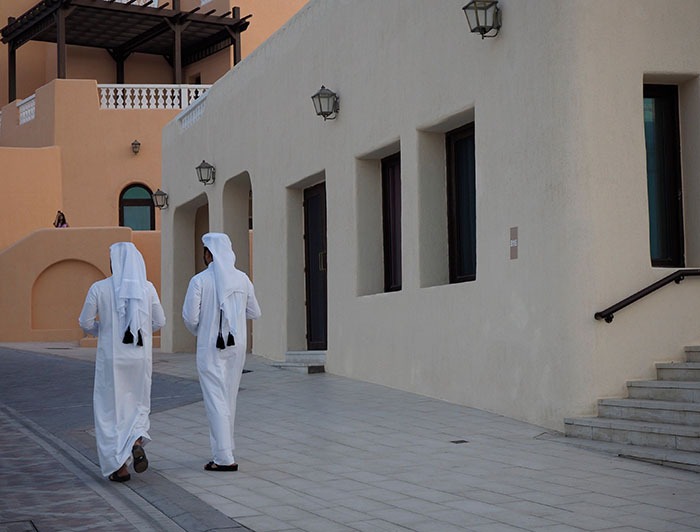
The Kandura (also known as the Arabic Thobe, Dishdasha, or Jubba, depending on the region) is more than traditional clothing—it represents culture, professionalism, and elegance across the Gulf Cooperation Council (GCC) countries.
Although the fabric and tailoring receive much attention, one of the most important elements remains hidden inside the garment: interlining.
A high-quality interlining gives the collar its crisp appearance, helps the cuffs retain their shape, reinforces the front placket, and ensures the garment maintains a refined look after repeated washing and everyday wear.
Whether you are a garment manufacturer, tailoring workshop, fashion brand, or wholesale fabric supplier, choosing the right interlining is essential to producing premium-quality Kanduras and Arabic Thobes.
In this guide, we’ll explain how interlining works, where it is used, and how to select the ideal solution for traditional Gulf garments.
What Is Interlining?
Interlining is a textile material inserted between layers of fabric to provide structure, support, and stability.
Unlike the outer fabric, it is usually invisible once the garment is completed. However, it significantly influences the final appearance, comfort, and durability of the garment.
For Arabic Thobes and Kanduras, interlining helps:
- Maintain a clean collar shape
- Support the front placket
- Reinforce cuffs
- Improve garment durability
- Create a professional appearance
- Preserve shape after washing
Without proper interlining, collars may soften too quickly, cuffs can lose their structure, and the garment may no longer present the polished look expected by customers.\
Why Interlining Is Important for Kanduras & Arabic Thobes
Traditional Gulf garments are worn daily in business, social, and religious settings. They are also washed frequently due to the region’s warm climate.
This means the interlining must provide:
- Excellent shape retention
- Long-term durability
- Soft hand feel
- Lightweight comfort
- Reliable bonding
- Resistance to repeated laundering
A carefully selected interlining contributes to a premium garment that looks elegant from the first wear to the hundredth.
Where Is Interlining Used in a Kandura?
1. Collar
The collar is the most noticeable part of a Kandura.
A quality interlining keeps the collar:
- Straight
- Smooth
- Comfortable
- Crisp
- Symmetrical
The right balance is important. An overly stiff collar can feel uncomfortable, while a soft collar may lose its shape quickly.
2. Collar Stand
The collar stand supports the collar and helps maintain its position around the neck.
A stable collar stand:
- Improves comfort
- Enhances appearance
- Prevents deformation
- Supports daily wear
3. Front Placket
The front placket is frequently handled during dressing and washing.
Interlining helps:
- Prevent stretching
- Keep the placket flat
- Improve button alignment
- Maintain a neat appearance
4. Cuffs
Cuffs experience constant movement throughout the day.
Proper interlining ensures they remain:
- Smooth
- Durable
- Comfortable
- Well-shaped
Characteristics of High-Quality Kandura Interlining
Not every interlining is suitable for traditional Gulf garments.
Premium interlining should offer several key characteristics.
Lightweight Construction
Since Kanduras are designed for warm climates, lightweight interlining helps preserve comfort while providing the required support.
Excellent Shape Retention
Collars and cuffs should remain neat throughout the day without becoming overly rigid.
Wash Durability
Arabic Thobes are often washed frequently.
High-quality interlining maintains its performance after repeated laundering and helps prevent bubbling or distortion when correctly applied.
Soft Feel
Customers appreciate garments that combine structure with comfort.
A premium interlining should enhance the garment without making it feel heavy or restrictive.
Reliable Bonding
For fusible interlinings, consistent adhesive performance is essential.
Proper bonding reduces the risk of separation and contributes to a longer-lasting garment.
Fusible vs. Non-Fusible Interlining for Kanduras
Fusible Interlining
Fusible interlining is bonded to the fabric using heat and pressure.
Advantages
- Efficient production
- Consistent quality
- Smooth finish
- Ideal for large-scale manufacturing
Many commercial Kandura manufacturers use fusible interlining because it supports high production volumes while maintaining consistent quality.
Choosing the Right Interlining Based on Fabric
Different fabrics require different support levels.
Cotton
Cotton Kanduras typically pair well with lightweight to medium-weight interlining that maintains a crisp yet comfortable finish.
Cotton Blends
Blended fabrics often benefit from interlinings designed to complement their stability and performance.
Lightweight Fabrics
Lightweight materials require softer interlining to preserve their natural drape.
Premium Luxury Fabrics
Higher-end fabrics deserve carefully selected interlining that enhances structure without compromising elegance.
Common Problems Caused by Poor Interlining
Using unsuitable interlining can lead to several quality issues.
These include:
- Bubbling after washing
- Collar deformation
- Uneven plackets
- Wrinkled cuffs
- Excessive stiffness
- Poor drape
- Reduced garment lifespan
- Inconsistent appearance
Many of these problems can be avoided through proper material selection and production testing.
Best Practices for Garment Manufacturers
Professional manufacturers often follow a structured process when selecting interlining.
Test Before Production
Evaluate compatibility between the fabric and interlining before beginning mass production.
Match the Fabric Weight
The interlining should complement the outer fabric rather than overpower it.
Follow Correct Fusing Conditions
Recommended temperature, pressure, and dwell time help achieve reliable bonding and consistent quality.
Maintain Consistency
Using the same specification across production batches supports uniform garment performance.
Prioritize Quality
Reliable interlining can reduce manufacturing issues and contribute to customer satisfaction over the long term.
Why Interlining Matters in the GCC Market
The Gulf region has a unique apparel market where traditional menswear is part of everyday life.
Manufacturers serving customers in:
- United Arab Emirates
- Saudi Arabia
- Qatar
- Kuwait
- Bahrain
- Oman
must meet high expectations for quality, appearance, and durability.
Premium interlining helps garments retain their elegant look despite frequent use and repeated washing, making it an essential component in the production process.
Why Choose FabriSoul?
FabriSoul supplies premium interlinings and fashion shaping materials for garment manufacturers, tailoring houses, and apparel brands across the GCC.
Our solutions are suitable for:
- Arabic Kanduras
- Arabic Thobes
- Dishdashas
- Formal shirts
- Jackets
- Business suits
- Uniforms
- Bespoke tailoring
We focus on delivering materials that support consistent quality, refined garment construction, and long-lasting performance for customers throughout the UAE, Saudi Arabia, Qatar, Kuwait, Bahrain, and Oman.
Conclusion
A well-made Kandura or Arabic Thobe is the result of more than quality fabric and skilled tailoring. The hidden interlining plays a vital role in creating a garment that looks polished, feels comfortable, and performs reliably over time.
By selecting the appropriate interlining for collars, cuffs, and front plackets, manufacturers can improve durability, maintain a refined appearance, and deliver garments that meet the expectations of customers across the GCC.
Whether producing bespoke pieces or large-scale collections, investing in high-quality interlining is an important step toward achieving consistent craftsmanship and customer satisfaction.