
Choosing the Right Arabic Thobe Interlining: GSM (80–750), Construction, Hand‑Feel, Structure & Fabric Matching
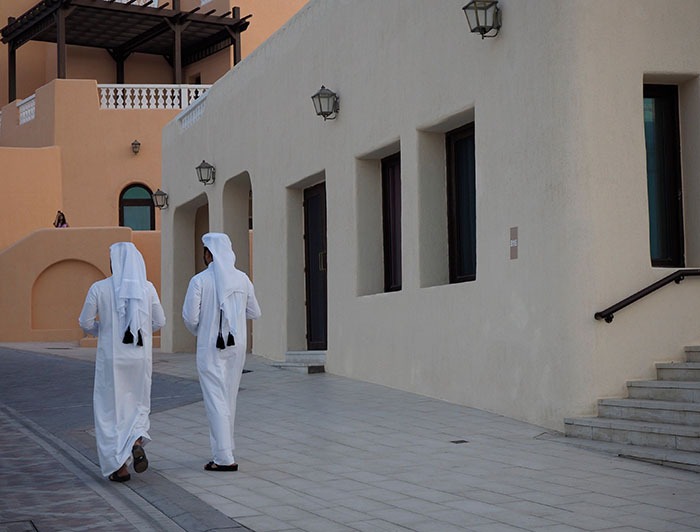
Across the Gulf region, the Kandura — also known as the Arabic Thobe, Dishdasha, or Jubba — represents culture, elegance, and daily professionalism. While fabric and tailoring often receive the spotlight, one essential component quietly shapes the garment from within: interlining.
For years, Fabrisoul has supported manufacturers and tailoring houses across the GCC with premium interlinings designed specifically for Kanduras and Arabic Thobes. The right interlining determines how the collar stands, how the cuffs behave, how the placket holds its shape, and how the garment looks after months of wear and washing.
What Interlining Does Inside a Kandura
Interlining is placed between fabric layers to add structure, stability, and support. Although invisible once stitched, it directly influences the garment’s appearance, comfort, and durability.
Key Benefits
- A crisp, symmetrical collar
- A stable front placket
- Reinforced cuffs
- Long‑lasting shape retention
- A polished, professional appearance
- Better wash durability
Fabrisoul’s woven and fusible interlinings are engineered to maintain these qualities even after repeated laundering — a critical requirement in GCC climates.
Why Interlining Matters in GCC Garments
Kanduras are worn daily in business, social, and religious settings. They are washed frequently due to the region’s warm climate. This makes interlining performance critical.
A suitable interlining must offer:
- Reliable bonding
- Lightweight comfort
- Soft hand‑feel
- Strong shape retention
- Resistance to repeated laundering
Fabrisoul develops interlinings with adhesives and constructions specifically tested for GCC washing conditions, ensuring long‑term durability.
Where Interlining Is Used
Collar
Fabrisoul’s heavy woven fusible interlinings help collars stay crisp, smooth, and comfortable.
Collar Stand
Supports the collar and keeps it positioned correctly around the neck.
Front Placket
Fabrisoul’s medium‑GSM fusible interlinings prevent stretching and keep the placket flat.
Cuffs
Fabrisoul’s medium‑structure woven interlinings keep cuffs smooth and well‑shaped.
GSM & Application Guide for Arabic Thobes
| Application | GSM | Type | Structure | Fabric |
|---|---|---|---|---|
| Lightweight Fabrics | 80–150 | Soft‑Hand Woven | Soft | Light Cotton, Rayon |
| General Kandura | 120–300 | Woven Fusible | Medium | All GCC Fabrics |
| Kandura Placket | 150–250 | Woven / Non‑Woven | Medium | Cotton, Poly‑Cotton |
| Premium Fabrics | 150–250 | Soft‑Hand Fusible | Soft–Medium | Luxury Fabrics |
| Cuffs | 180–300 | Woven Fusible | Medium | Cotton, Blends |
| Thobe Collar (Thin) | 385–450 | Heavy Woven | Thin–Firm | Thin Fabrics |
| Thobe Collar (Medium) | 485–585 | Heavy Woven | Medium–Strong | Premium Fabrics |
| Thobe Collar (Strong) | 650–750 | Heavy Woven | Strong | Heavy Fabrics |
Fabrisoul supplies all GSM ranges listed above, ensuring manufacturers can match interlining precisely to fabric type and garment structure.
Fabric–Interlining Matching
| Fabric Type | Best GSM Range | Reason |
|---|---|---|
| Cotton | 150–300 | Crisp yet comfortable structure |
| Poly‑Cotton Blends | 120–250 | Balanced stiffness and stability |
| Lightweight Fabrics | 80–150 | Prevents heaviness |
| Luxury Fabrics | 150–250 | Soft, elegant feel |
| Heavy Fabrics | 300–600 | Strong support |
| Caps / Stiff Zones | 450–750 | Maximum rigidity |
Fabrisoul’s technical team helps manufacturers test and match these combinations before production.
Correct Fusing Conditions
- Temperature: 130–150°C
- Pressure: 2–3 bar
- Dwell Time: 12–18 seconds
- Cooling Time: 24 hours before stitching
Fabrisoul provides fusing guidelines for each interlining type to ensure consistent results.
Fabrisoul Expert Insight
Most collar deformation happens when the interlining GSM does not match the fabric weight. Fabrisoul recommends testing a small fused sample before production to avoid costly mistakes and ensure perfect bonding.
GCC Tailoring Preferences
- UAE: Medium stiffness, soft cuffs
- Saudi Arabia: Firm collars, strong plackets
- Qatar: Soft‑hand cuffs
- Kuwait: Lightweight plackets
- Bahrain: Medium GSM with soft feel
- Oman: Balanced stiffness for daily wear
Fabrisoul adjusts interlining recommendations based on each market’s tailoring style.
Common Issues Caused by Poor Interlining
- Bubbling after washing
- Collar collapse
- Wrinkled cuffs
- Uneven plackets
- Excessive stiffness
- Poor drape
- Collar fading or yellowing
- Reduced garment lifespan
Fabrisoul’s interlinings are engineered to prevent these issues through proper GSM selection and wash‑tested adhesives.
Best Practices for Manufacturers
- Test fabric + interlining compatibility
- Match GSM to fabric weight
- Follow correct fusing conditions
- Maintain consistency across batches
- Prioritize quality over cost
Fabrisoul supports manufacturers with technical guidance, sampling, and production testing.
Fabrisoul: Your Interlining Partner in the GCC
Fabrisoul supplies premium interlinings and shaping materials for Kanduras, Thobes, uniforms, suits, and bespoke tailoring across:
Dubai, Sharjah, Ajman, Abu Dhabi, Ras Al Khaimah, Fujairah, Umm Al Quwain, Qatar, Kuwait, Saudi Arabia, Bahrain, Oman.
You can buy High‑Quality Fusible Arabic Thobe Interlining from Fabrisoul online or locally with regional delivery or pickup.
📞 Call Us or Request a Sales Visit
🎯 Get Expert Guidance
Conclusion
A refined Kandura is the result of thoughtful fabric selection, skilled tailoring, and — most importantly — the right interlining. When the interlining is matched correctly to the fabric GSM, construction, and desired structure, the garment maintains its elegance, comfort, and durability through everyday wear.
Fabrisoul’s interlinings are designed to support this craftsmanship, helping manufacturers deliver garments that meet the expectations of customers across the GCC.