
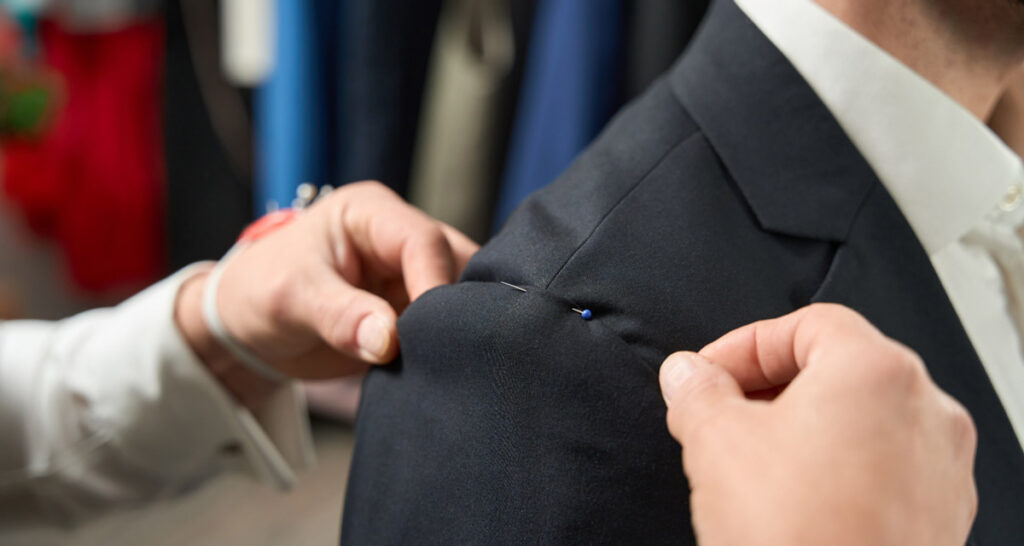
When people admire a perfectly tailored jacket or suit, they often focus on the fabric, cut, or craftsmanship. However, one of the biggest contributors to a garment’s elegant appearance is something that remains hidden inside—the shaping materials.
Professional tailors and garment manufacturers know that premium shaping materials provide the structure, balance, and support needed to create garments that maintain their shape, fit comfortably, and last for years. Whether you’re producing bespoke suits, luxury jackets, uniforms, or formalwear, choosing the right shaping materials is just as important as selecting the right fabric.
In this guide, we’ll explore what shaping materials are, where they are used, and why they play a vital role in premium tailoring.
What Are Shaping Materials?
Shaping materials are specialized textile components used inside garments to create structure, improve fit, and enhance the overall silhouette. Unlike decorative fabrics, these materials are hidden between the garment layers and work together with interlinings to provide stability and support.
Common applications include:
- Business suits
- Tailored jackets
- Blazers
- Coats
- Formal uniforms
- Bespoke garments
- Premium fashion apparel
Without quality shaping materials, even expensive fabrics can appear flat, lose their form, or fail to drape correctly.
Why Shaping Materials Are Essential
Shaping materials influence how a garment looks, feels, and performs throughout its life.
Key benefits include:
- Improved garment structure
- Better shape retention
- Enhanced drape
- Greater wearer comfort
- Longer garment lifespan
- Professional appearance
- Superior fit
For premium tailoring, shaping materials help create garments that maintain their elegant silhouette after repeated wear.
Common Types of Shaping Materials
Chest Canvas
Chest canvas is one of the most important shaping materials used in tailored jackets and suits. It provides structure to the chest area while allowing the garment to move naturally with the wearer.
Benefits include:
- Natural drape
- Better chest shape
- Enhanced comfort
- Long-term durability
- Professional silhouette
Premium bespoke jackets often feature carefully selected chest canvas to achieve a refined appearance.
Hair Canvas
Hair canvas, traditionally made with natural fibers such as horsehair blended with wool or cotton, is widely used in high-end tailoring.
Advantages include:
- Excellent flexibility
- Natural resilience
- Long-lasting structure
- Improved breathability
- Elegant drape
Many luxury tailoring houses choose hair canvas for garments that require exceptional craftsmanship.
Shoulder Reinforcement
The shoulder area defines the overall appearance of a jacket.
Shaping materials used in the shoulders help:
- Maintain shoulder lines
- Improve balance
- Prevent collapse
- Enhance comfort
- Create a clean silhouette
Different jacket styles require different levels of reinforcement depending on the desired look.
Sleeve Head Rolls
Sleeve head rolls are positioned between the sleeve and shoulder seam.
They help:
- Create a smooth sleeve cap
- Reduce wrinkles
- Improve shoulder transitions
- Add a refined finish
Although small, sleeve head rolls make a noticeable difference in premium tailoring.
Felt Components
Tailoring felt is used in various areas of a garment to provide additional support and improve construction.
Common uses include:
- Collar shaping
- Lapel support
- Reinforcement
- Decorative tailoring details
Quality felt contributes to a cleaner and more durable garment.
Shaping Materials vs. Interlining
Although they work together, shaping materials and interlinings have different purposes.
| Interlining | Shaping Materials |
|---|---|
| Stabilizes fabric | Builds garment structure |
| Reinforces collars, cuffs, and plackets | Supports the chest, shoulders, and lapels |
| Often fusible | Usually sewn into the garment |
| Used across many garment types | Primarily used in tailored jackets and suits |
Combining the right interlining with suitable shaping materials creates garments that look polished and perform well over time.
Applications in Different Garments
Business Suits
Business suits rely heavily on shaping materials to create sharp lapels, balanced shoulders, and a structured chest.
The result is a professional garment that maintains its appearance throughout the day.
Tailored Jackets
A tailored jacket benefits from shaping materials that enhance:
- Shoulder definition
- Lapel roll
- Chest support
- Overall silhouette
These elements contribute to a premium look and comfortable fit.
Blazers
Blazers require a balance between structure and flexibility.
The appropriate shaping materials help the garment retain its shape while remaining comfortable for everyday wear.
Formal Uniforms
Premium uniforms in hospitality, aviation, and corporate sectors often use shaping materials to maintain a crisp, professional appearance despite frequent use.
Bespoke Garments
Bespoke tailoring focuses on craftsmanship and personalization.
Carefully selected shaping materials allow garments to conform naturally to the wearer’s body while maintaining their intended design.
Choosing the Right Shaping Materials
Selecting shaping materials depends on several factors.
Fabric Weight
Heavier fabrics require stronger support, while lightweight fabrics perform better with softer shaping components.
Garment Style
A structured business jacket requires different shaping than a relaxed blazer or fashion-forward design.
Desired Silhouette
Tailors choose shaping materials based on whether the garment should have a soft natural drape or a more defined, structured appearance.
Comfort
Modern tailoring emphasizes comfort alongside appearance.
Flexible shaping materials help garments move naturally without sacrificing structure.
Common Problems Caused by Low-Quality Shaping Materials
Using inferior materials can lead to:
- Collapsing chest areas
- Wrinkled lapels
- Poor shoulder shape
- Uneven drape
- Reduced garment lifespan
- Customer dissatisfaction
Investing in quality materials helps prevent these issues and improves overall garment performance.
Best Practices for Manufacturers and Tailors
To achieve consistent results:
- Select shaping materials based on the garment design.
- Match materials to the weight and characteristics of the outer fabric.
- Test compatibility before production.
- Use skilled construction techniques during assembly.
- Source materials from trusted suppliers.
Attention to these details contributes to garments that meet the expectations of premium customers.
Why Premium Shaping Materials Matter in the GCC Market
Demand for luxury tailoring continues to grow across the GCC, where customers value craftsmanship, comfort, and elegant presentation.
Manufacturers and tailoring houses serving clients in:
- United Arab Emirates
- Saudi Arabia
- Qatar
- Kuwait
- Bahrain
- Oman
Benefit from shaping materials that help garments retain their refined appearance despite frequent wear.
For bespoke tailoring, business attire, ceremonial wear, and formal uniforms, premium internal construction is essential to delivering lasting quality.
Why Choose FabriSoul?
FabriSoul supplies premium fashion shaping materials and interlinings for garment manufacturers, bespoke tailoring houses, and fashion brands across the GCC.
Our materials are suitable for:
- Bespoke suits
- Tailored jackets
- Blazers
- Corporate uniforms
- Luxury fashion
- Formal menswear
By focusing on quality, consistency, and performance, we help our customers create garments that combine exceptional craftsmanship with long-lasting durability.
Conclusion
Premium tailoring is defined not only by fine fabrics and expert stitching but also by the hidden components that provide structure and support. Shaping materials play a crucial role in creating garments that fit beautifully, maintain their form, and offer lasting comfort.
Whether you’re producing bespoke suits, business jackets, blazers, or uniforms, investing in high-quality shaping materials ensures a superior finished product that reflects the standards of modern tailoring.